Thursday, September 14, 2006

It´s Not Okay


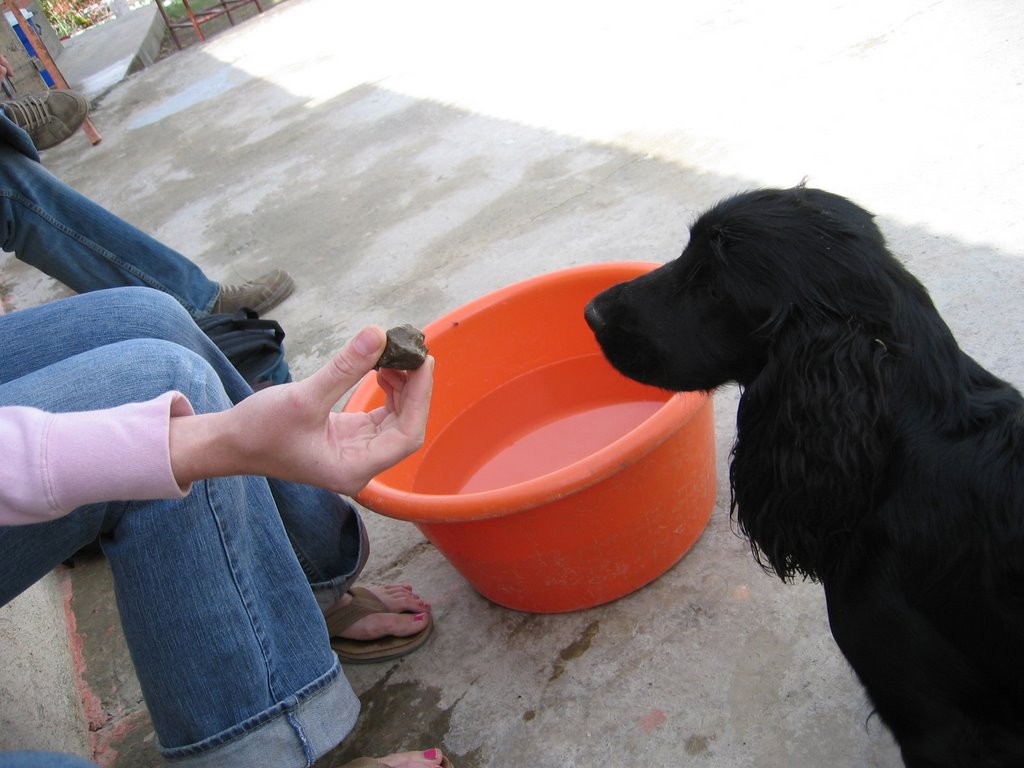
Someone wrote an article in the Peace Corps Bolivia newsletter about keeping perspective. As in, even though we are in Bolivia and getting sick happens, it is not okay to shit in your pants. Don’t judge us, this is easy to forget when you have amoebas, giardia, or salmonella. And honestly, there’s a lot that’s not okay here. No one uses trashcans. Ever. Some Bolivians’ besito greetings are really besito-not-so-ito. My host family’s dog plays fetch with rocks. There is a lynched dummy hanging in town to show what happens to thieves. It. Is. Not. O. K.

But it becomes ok pretty quickly. For example, transportation. At the local level it’s by taxi-trufi, trufi, or micro. These are cars, mini-vans, or small buses, respectively, that drive a set route and stop whenever someone yells “Pare/parada/la esquina por favor!”. All involve cramming three more people than is humanly possible into a torn up vehicle. But it’s easy to learn and cheap, < $0.25 a pop. Pretty soon you don’t even think about curling up on a spare tire in a taxi-trufi with 10 other people. When the micro is so full that the door doesn’t close, just make sure you have a good handhold. The two inches between your leg and the wall is DEFINITELY enough room to squeeze in someone’s cho bag, cake box, or child.

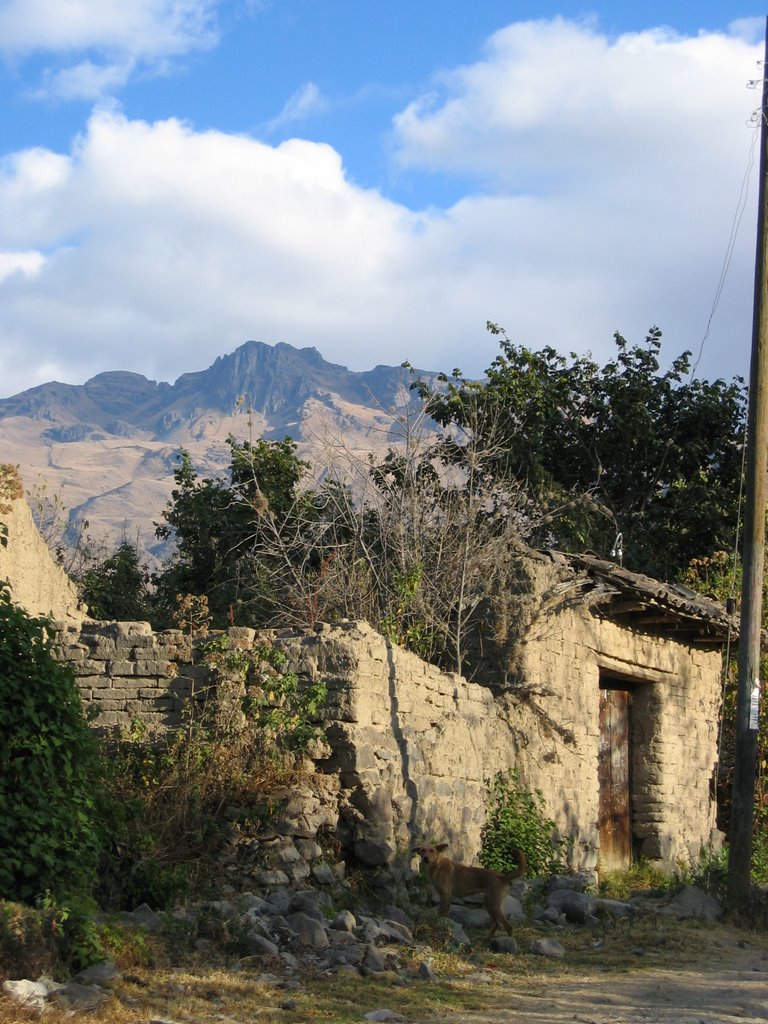
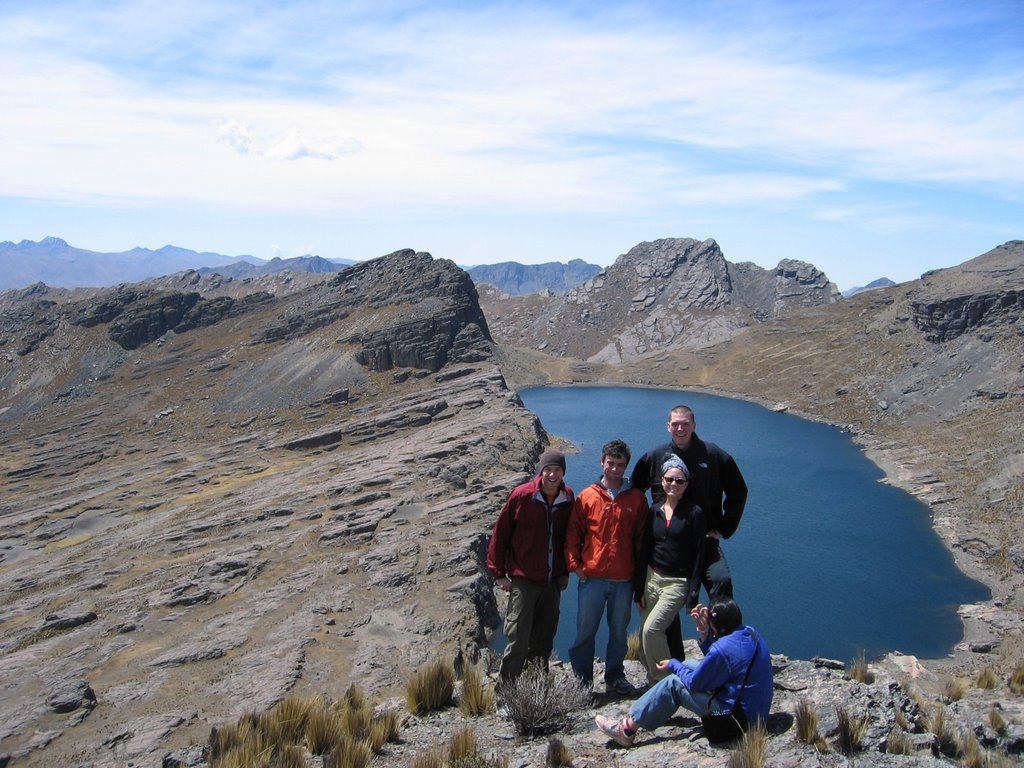
Trufis are a lot sturdier than they look. Dan’s host dad drives one and took us to Tunari National Park last weekend and that thing takes switchbacks and dirt/rock roads like a pro. Tunari is stark-beautiful. We’re at the end of the dry/winter season, so nothing is green. At 14,000 feet it’s steep faces of shale and scree, patches of dry yellow grass or lichen and no trails. You just climb as much as the falling rocks and your weak gringo lungs let you in whatever direction looks least sketchy. Llama and pony herds are scattered around shallow, minerally, mirrored lakes. Below the peaks are flats of yellow and dark red moss that sink down in patches to show the water below it. Walking over it feels like walking with moon shoes. Next time we go, maybe I won’t be wheezing like I collapsed a lung.

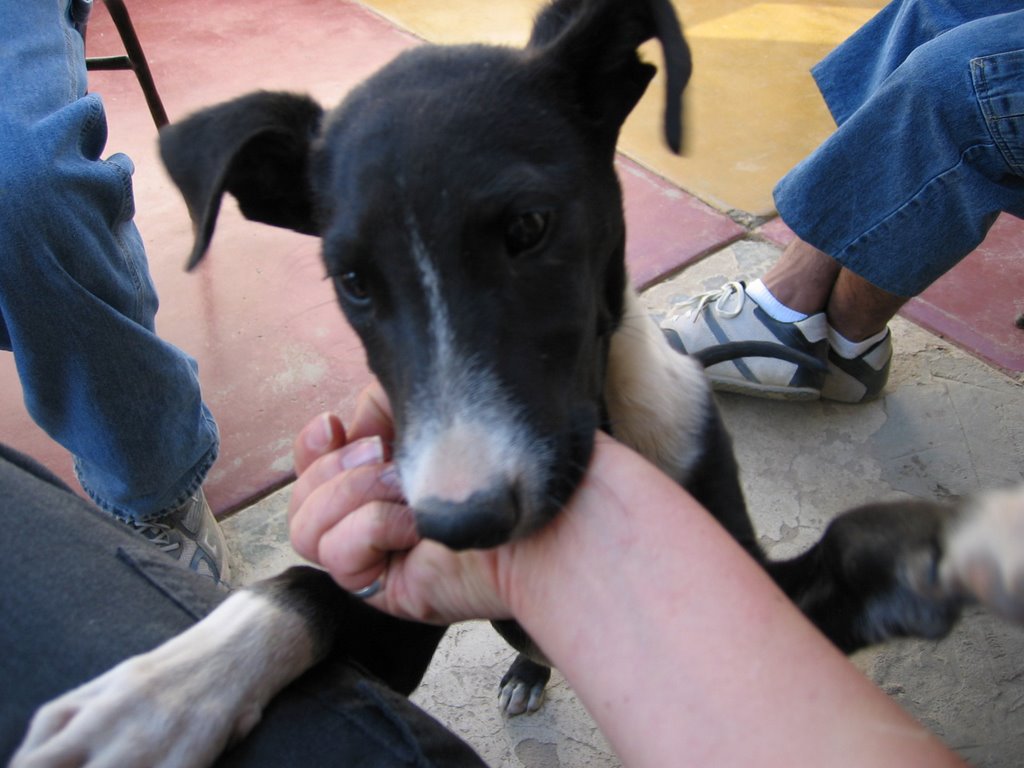
I think I’m slowly settling into a routine again. Training can be wear and tear, especially when we’re running over schedule and the word “Peet´s” makes me cry a little. What is the obsession with Nescafe on this continent?? Jenny and I found some good paths so I’ve started running again. The roads here are loose dust and rocks, not really zone-out material. After a few face plants I think my balance is getting better, and I’m working on the dog issue. I learned quickly dogs aren’t pets; they have a purpose like all the other animals. Apparently, the job of a dog is to guard the house, bark for ten minutes before/after anyone passes by, and chase Asian people. Ok, they chase Bolivians too because every dog knows to stop immediately when you bend down for a rock or pitch your arm back in a mime throw. I know you’re not supposed to let dogs sense your fear, but every time I get charged I think about how Bolivia has like 500 cases a year of rabies. We’re still not sure if the poor little puppy in the picture on my last post died of rabies or rotten eggs, but since he was chewing on everyone’s hands I hope Purell kills the rabies virus.

FUN FACT/QUOTE OF THE DAY: “That chick was mad indigenous.”

Friday, September 01, 2006

Paro

On August 25 we left Cochabamba for our host community, a small pueblo outside of QuillaCollo. The Peace Corps emphasizes walking and frightening forms of public transportation like the rest of the community once volunteers are at project site, but for now we roll in Land Cruisers. A few are missing their side mirrors still, which get expertly swiped in the city and possibly sold back to you later.

Our host community is small and poor, but barely qualifies as “the campo” (in Bolivia, there are cities, the campo, the campo-campo, and the super-campo. It’s funny until you think about your project site odds). It’s mostly an agricultural town. There is one restaurant, a bunch of tiny stores (one room in someone’s house), and a few chicherĂ­as, indicated by a white flag outside the house. Chicha is alcohol made of fermented maize and apparently, feces, because a lot of volunteers get gnarly sick off it. Probably because it´s drunk out of a gourd shared by everyone and each batch tastes a little different. No internet, but enough street dogs to take every SPCA in the states.

The volunteers are staying with families scattered across a three-mile stretch. I really lucked out because not only does my host family have a flush toilet and electric shower, but also Mama Mary owns the town restaurant. It’s open on the weekends and serves pique, beef and chorizo fried with onions over papas fritas, chicharrĂ³n, slow-stewed and fried pork, and lambreado, shake ‘n baked guinea pig. So now I’m porking up on deep-fried meals doused in spicy llajua sauce everyday. Having three brothers and getting woken up every morning at 6 by the dogs (who bark for five minutes every time someone walks by the house) or Mama Mary banshee-yelling at one of the boys has taken some getting used to. But really, no complaints because at the other end of the scale, volunteers are getting latrines, bucket baths, and boiled potatoes and rice at every meal.

Training is super regimented. 4 hours of Spanish class until noon, then another 4 of technical training after lunch. Classes are always at someone’s house in the community except on Wednesdays, when we make the hour and a half trip to the Cuerpo de Paz training center. At the training center they add cultural, medical, and safety sessions to the day, plus an intense schedule of vaccinations.

It’s an interesting time to be in Bolivia. There is a lot of change happening in Bolivia right now with the Morales presidency, drafting of the constitution, and constant educational/social/political reforms. The anti-American bit of it isn’t really encouraging, but for the most part I’m just really fascinated to watch history happen.

A popular way of political expression is the paro, or blockade. Shovel dirt, rocks, cars, and/or children (just kidding) across the most heavily used roads and protest for your cause 1-3 days or until it rains, whichever comes first. There are usually 2-3 national paros a year, and more local issue bloqueos every month. The first paro we saw was August 29, a nationwide transportista protest of the administration’s proposal to re-issue every license plate in Bolivia (and collect the money for it). Depending on the issue and the place protests and blockades get dangerous, especially for outsiders, but QuillaCollo was pretty tranquilo. I spent the day playing soccer with my little brother, which means he plays soccer and I run around after him until I get tired.

FUN FACT/QUOTE OF THE DAY: You can buy pink toilet paper on every street corner!

Friday, August 25, 2006

The Fighting 43rd


The second day of staging ends with a red-eye flight from MIA to La Paz. PC medical officers met us at 6:30 a.m. with water, meds, and oxygen tanks in case anyone couldn’t handle the 12,000 feet. The connection to Cochabamba, where Peace Corps Bolivia is headquartered, is only an hour. There was a group of current volunteers to cheer for us when we stumbled off the plane, looking really cute without coffee.

Cochabamba is fourth largest city in Bolivia, the geographic heart of the country at 8,500 feet. It’s the “city of eternal spring”, which is an exaggeration of temperate until you think about your alternatives: freezing Andes and Altiplano plateau, humid Yungas tropics. We will spend the first week in the city for orientation. Our hotel rooms are decorated with reminders to drink water, not to drink the tap water, and not to flush the t.p. There are also 6 liters of bottled water in case you missed the first sign. We get a safety briefing with points like:
· When traveling at night, take a taxi instead of walking
· It is best not to take taxis at night
· It is best not to go out at night after 19:00
· The following “red zones” should be avoided (followed by a list of everywhere in Cochabamba except the 2 blocks around our hotel and an area farther north – which is separated from the hotel by a red zone)

The streets and sidewalks are narrow; at every other corner are cholitas that break your heart with their tiny, dirty children. Houses are surrounded by walls, the tops of which are embedded with pieces of broken glass bottles. It looks scarier than I think the city is, but then again I don’t know anything. We were warned about cleferas, gangs of street kids addicted to glue, which I thought was kind of funny until someone told me last year’s group got attacked by them near the giant 130-foot Christ of the Concord statue. Super. It’s not even safe under the BIGGEST JESUS IN THE WORLD.

We’re in welcome/safety/cultural sessions each day up until dinner. At a decent restaurant, it will run you about $2-4 USD, plus a few bucks for beer. After dinner we end up at bars earlier than future AA talking about important things like if mace or Elmer’s rubber cement is better against cleferas, and designing tattoos that say “The Fighting 43rd”. Every training group ends up super close, which is scary/comforting. Comforting because I really like B43 and scary because we were told you end up knowing intimate details of everyone’s poop.

FUN FACT/QUOTE OF THE DAY: “Everyone has a little Giardia.”

Sunday, August 20, 2006

MIA


Peace Corps service begins with two days of staging, or 48-hours of icebreakers and policy.

It’s actually not that bad, after spending the entire application period on a need to know basis. Staging for our group is in Miami, where the humidity right now is like breathing underwater. My group is B43. We’re on the smaller side, 17 total in agricultural business, community tourism, and micro-enterprise development. Most of the group is right out of college, five of us have been out of school for 1-5 years, and two are late thirties +. Everyone’s pretty young and motivated with interesting backgrounds. Think TCG, but with big ass backpacks.

In terms of safety and health the Peace Corps is NOT kidding. You should see the medical kits they gave us. It’s been said you will never be in as good health as during your service, which is interesting, because you’re also expected to be projectile vomiting/shitting within your first month in country. They’ve even managed to one up my mother on safety. We have a curfew while in training, stay with a host family during training and service, and have to clear any leave from project site with the main office in Cochabamba. Violation of these or any of 5 million other policies and you’re sent home ("administrative separation"). A lot of this is because of Walter Poirier, who has been missing since 2001 and was serving in Bolivia at the time. In the history of the Peace Corps, a lot of volunteers have been hurt or killed, but Wally is the only one to have gone MIA completely. It’s still under investigation and now Peace Corps isn’t taking any chances. If you so much as get caught riding your bike without a helmet, you’re out (seriously).

This will be week –12. Assuming I keep my helmet on and don’t chew coca leaves my two years officially starts when B43 is sworn in, three months of training away.

FUN FACT/QUOTE OF THE DAY: During training, volunteers get room/board and a living stipend the equivalent of $16 USD per week. Yes!